The Adamello Brenta Nature Park: Alpine Biodiversity
The Adamello Brenta Nature Park, with over 620 km² of surface area, is the largest protected area in Trentino and is home to approximately 100 brown bears reintroduced through the Life Ursus project. Discover the biodiversity, lakes, glaciers, and the UNESCO Geopark recognition.
The Largest Protected Area in Trentino
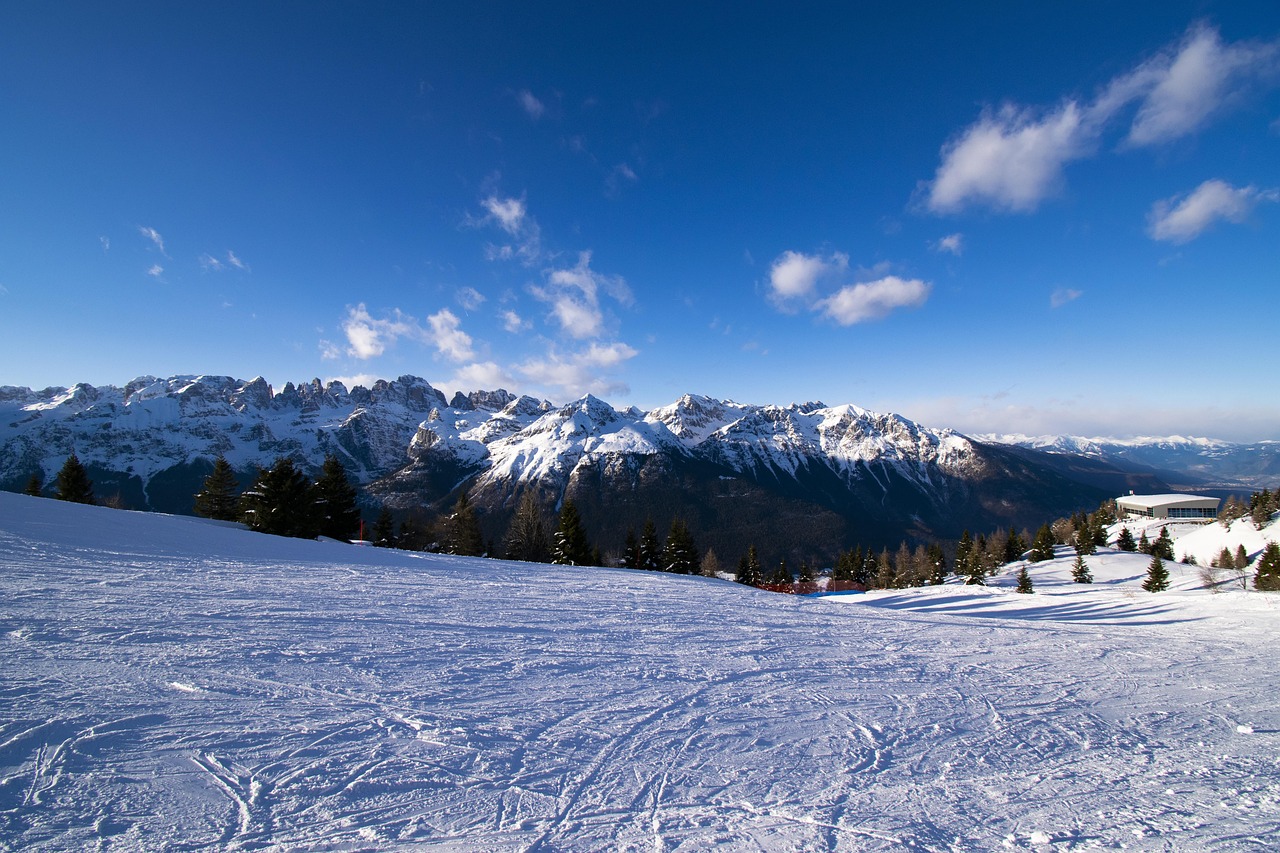
The Adamello Brenta Nature Park is the largest protected area in Trentino, with a total surface area of over 620 km² extending from the valley floor of Val Rendena to the highest peaks of the Adamello-Presanella massif and the Dolomiti di Brenta. Established in 1967 as a Provincial Nature Park, it was the first nature park in Trentino and served as a model for the subsequent creation of other protected areas.
The park territory is characterized by an incredible variety of natural environments, from the base to the highest peaks. This extraordinary habitat diversity makes the Adamello Brenta Park one of the territories with the greatest biodiversity in the entire Alpine arc. The park in numbers:
- Area — over 620 km² of protected land
- Year of establishment — 1967, the first nature park in Trentino
- Alpine lakes — more than 80, many of glacial origin
- Glaciers — over 50, concentrated in the Adamello-Presanella group
- Plant species — more than 1,500 catalogued
- Recognition — UNESCO Geopark since 2008

The Brown Bear and the Life Ursus Project
The park's symbolic animal is undoubtedly the brown bear (Ursus arctos), the largest carnivore in the Alps. The native population had been reduced to the brink of extinction during the 20th century: by the late 1990s, barely 3-4 individuals survived in the Brenta area.
To save this population, in 1999 the Park launched the Life Ursus project, funded by the European Union, which involved the release of 10 bears from Slovenia between 1999 and 2002. The project has been extraordinarily successful: today it is estimated that approximately 100 individuals live in the central-eastern Alpine area. Coexistence between bears and human activities remains a complex challenge, addressed through information programs, damage prevention, and constant monitoring.
Lakes, Glaciers, and the UNESCO Geopark Recognition
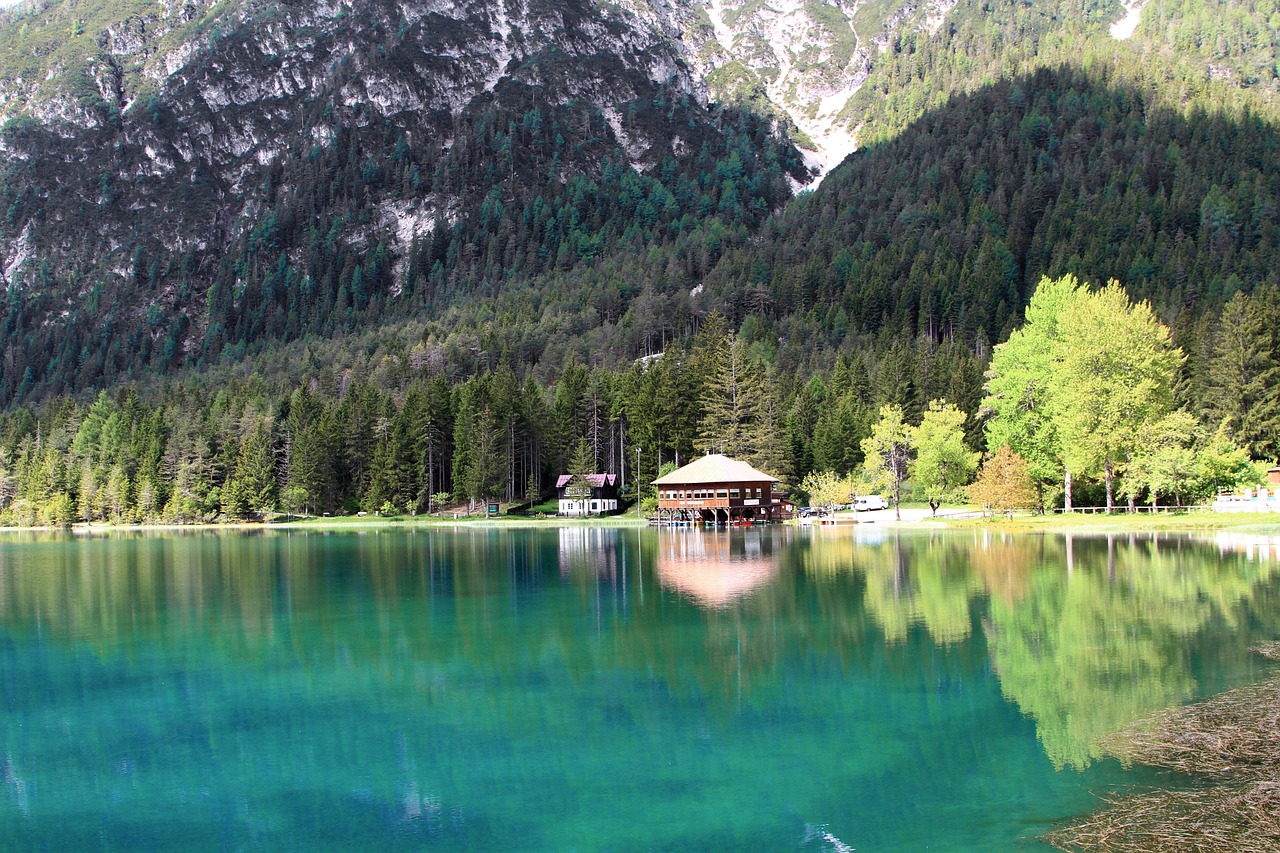
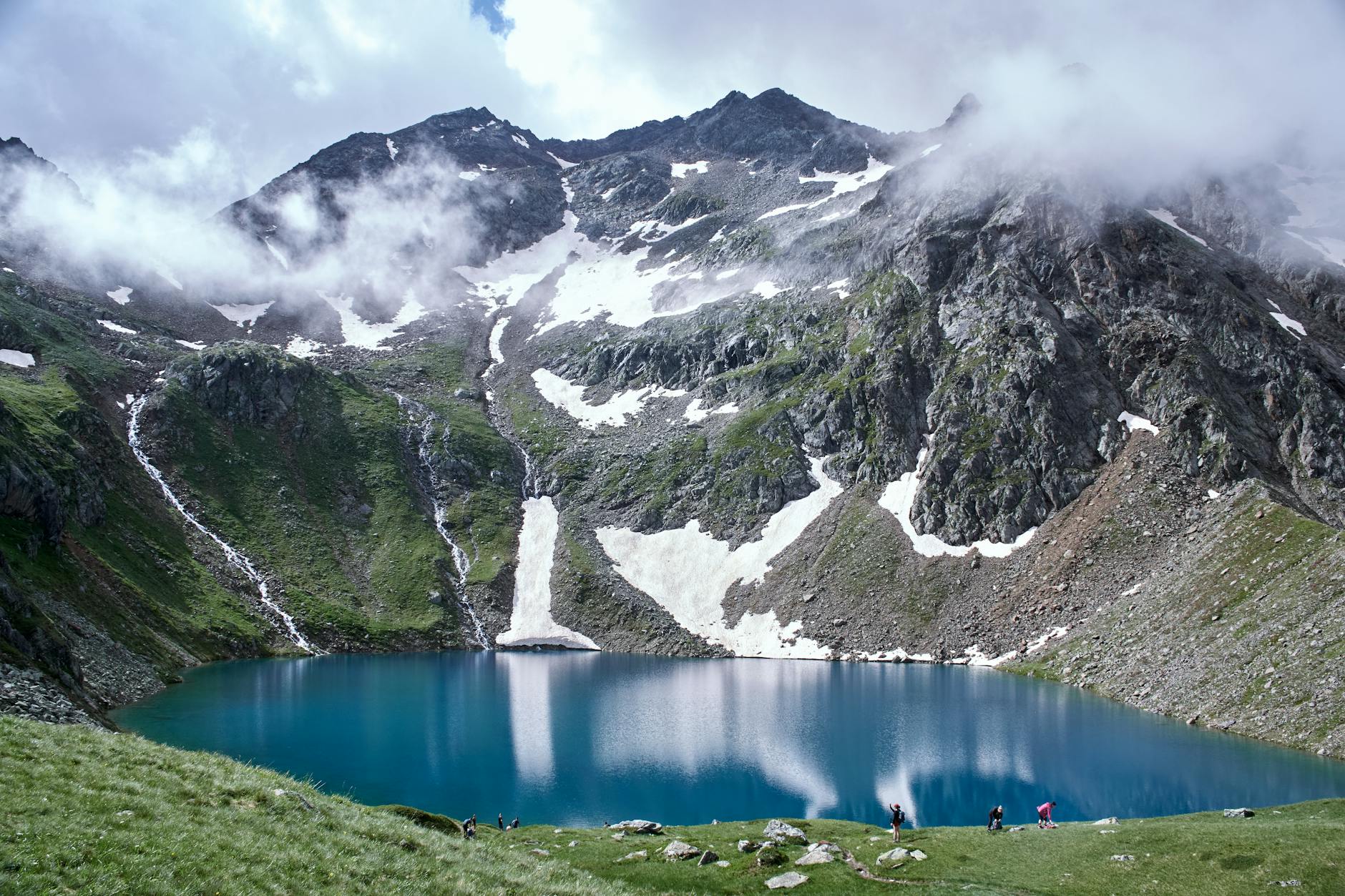
The park territory safeguards a water and geological heritage of immense value. Over 80 alpine lakes are scattered throughout the park, many of glacial origin, with crystal-clear waters in colors ranging from turquoise to emerald green. The most famous lakes:
- Lake Tovel — famous for the historic phenomenon of its waters turning red
- Lake Valagola — nestled among conifer forests
- Lago Nero — with dark and mysterious waters
- Lake Cornisello — a spectacular high-altitude glacial lake
- Lake Nambino — easily reachable from Madonna di Campiglio
In 2008, the Park received the prestigious UNESCO Geopark recognition, joining the European and Global Geoparks Network. The park hosts rocks that tell a geological story spanning hundreds of millions of years, from the ancient metamorphic rocks of the crystalline basement to the Triassic dolomites.
Alpine Flora: A Natural Botanical Garden
The park's flora counts over 1,500 plant species, an exceptional richness reflecting the variety of environments and geological substrates. Geological diversity is one of the key factors: the siliceous rocks of the Adamello and the calcareous Dolomitic rocks of the Brenta host very different plant communities. Among the most iconic species:
- Edelweiss (Leontopodium alpinum) — the quintessential symbol of the Alps
- Gentian — intense blue flowers dotting the high-altitude meadows
- Rhododendron — painting the pastures pink in June
- Primula recubariensis — endemic, extremely rare, linked to calcareous rocky environments
- Saxifraga tombeanensis — another endemic species of great conservation value
The park's forests are dominated by Norway spruce, larch, stone pine, and beech, and represent fundamental habitats for wildlife. A plant heritage that the Sarca River helps irrigate along its entire course through the valley.
The Viote Alpine Botanical Garden, located on Monte Bondone in collaboration with the Park, preserves collections of Alpine plants from around the world and offers visitors the opportunity to experience the extraordinary diversity of mountain flora up close. Guided botanical excursions organized by the park, available from June to September, allow visitors to observe spectacular blooms in the high-altitude meadows between the Dolomiti di Brenta and the Adamello.
Wildlife: An Extraordinary Heritage
Beyond the brown bear, the Park hosts an exceptionally rich wildlife. The Alpine chamois, with over 5,000 individuals, is the most widespread ungulate. Deer, roe deer, and ibex — the latter successfully reintroduced to the Dolomiti di Brenta — complete the ungulate picture. Among carnivores, the lynx, fox, badger, and stoat are present. The avifauna counts over 80 nesting species, including the golden eagle, the bearded vulture, the capercaillie, and the rock ptarmigan.

Trails and Excursions in the Park
The Adamello Brenta Nature Park offers a trail network of over 700 km crossing all park environments, from flat valley-floor walks to multi-day high-altitude excursions. Among the most scenic itineraries are the route leading to Val Genova and its waterfalls, the Cornisello lakes circuit at the foot of the Presanella, and the trail to Lake Tovel through centuries-old conifer forests. The park regularly organizes themed excursions led by its own experts — dedicated to bear observation, Alpine botany, geology, and nature photography — representing a unique opportunity to discover the territory's biodiversity with the accompaniment of passionate professionals.
Visitor Centers and How to Explore the Park
The Park has several visitor centers located throughout the territory. The most important is in Strembo, in the heart of Val Rendena, offering interactive exhibitions, educational workshops, and information on trails and excursions. Other centers are located in Tovel, Spormaggiore, and Stenico, each dedicated to specific themes. The park represents the ideal starting point for exploring the valley's wonders, from the Baschenis frescoes to Val Genova and its waterfalls, to the ski slopes of Madonna di Campiglio.