The Adamello and Presanella Massif: Giants of Ice
Presanella, at 3,558 meters, is the highest peak in Trentino, while the Adamello Glacier is the largest in the Italian Alps. Discover these giants of ice, Val Genova, and the history of the White War.
The Presanella: The Roof of Trentino
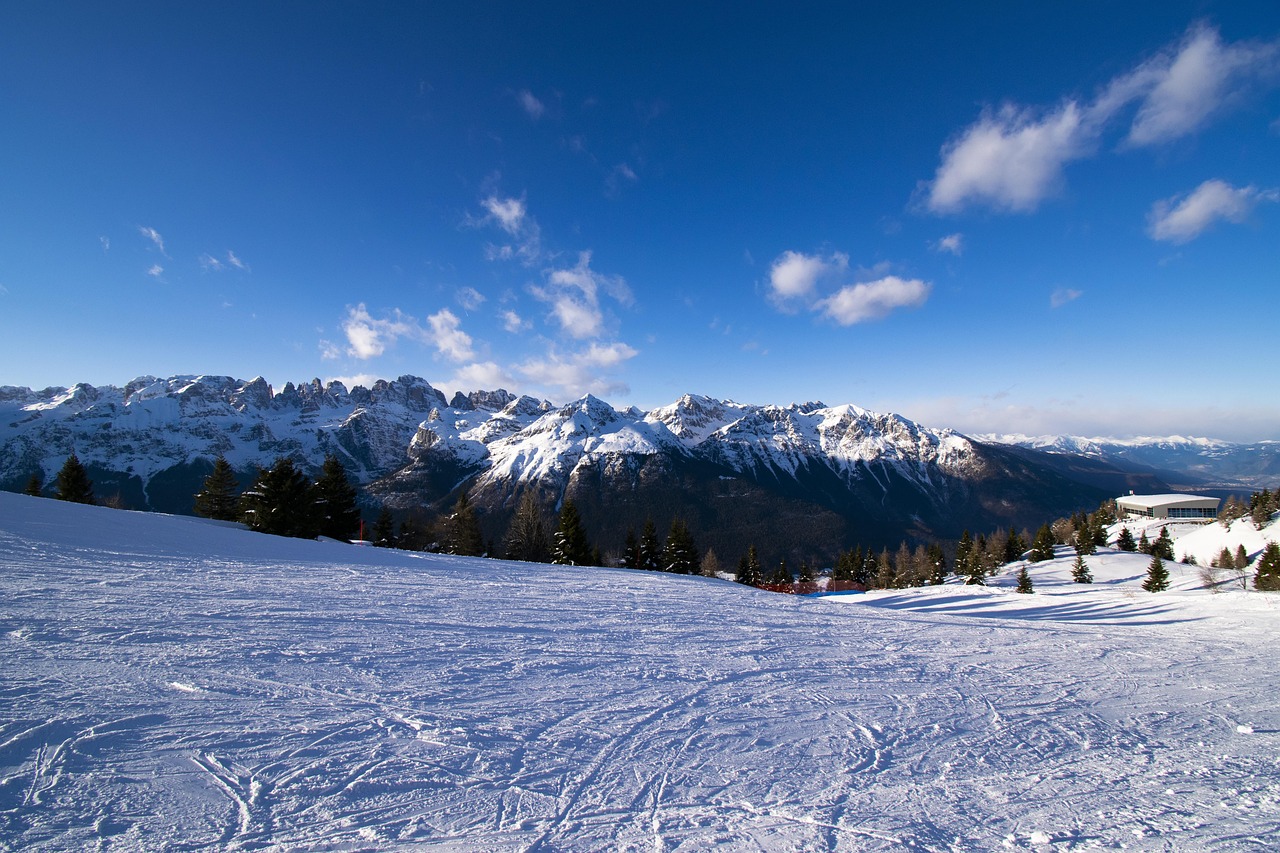
At 3,558 meters elevation, Presanella is the highest peak in Trentino and one of the most imposing mountains in the entire eastern Alpine arc. Its first documented ascent dates back to 1864, when the English mountaineer Douglas William Freshfield reached the summit accompanied by a local guide. The mountain presents itself as a powerful, rounded massif, crowned by a vast summit glacier that covers its northern and eastern slopes.
The normal route of ascent starts from Rifugio Denza (2,298 m) and climbs the Presanella Glacier, requiring glacier equipment — crampons, ice axe, and rope — and good mountaineering preparation. The view from the summit on clear days is unforgettable: it extends from the Dolomiti di Brenta to Monte Rosa and Mont Blanc, encompassing a 360-degree panorama. Essential facts about the massif:
- Presanella — 3,558 m, the highest peak in Trentino
- Cima Adamello — 3,539 m, the second highest peak of the group
- Adamello Glacier — over 16 km², the largest in the Italian Alps
- First ascent — 1864, Douglas William Freshfield
- Protected area — entirely within the Adamello Brenta Nature Park

The Adamello Glacier: The Largest in the Italian Alps
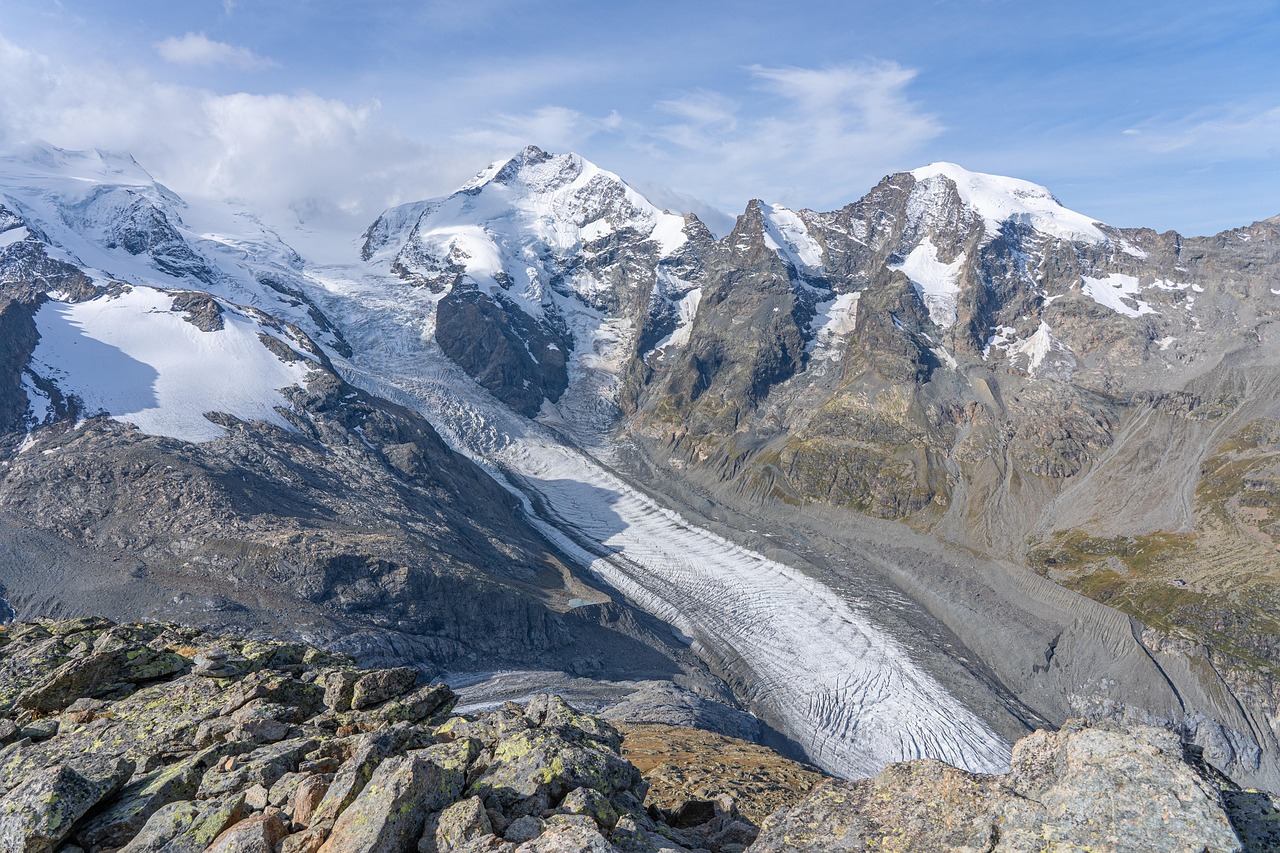
The Adamello Glacier, also known as Pian di Neve, is the largest glacier in the Italian Alps and one of the most extensive in the entire Alpine arc, with a surface area exceeding 16 km². This enormous ice plateau extends at an average altitude of approximately 3,100 meters, nestled among the peaks of the group, and represents a true relic of the Ice Age.
Unfortunately, like all Alpine glaciers, the Adamello is undergoing a dramatic retreat due to global warming: over the last 150 years it has lost more than 40% of its original surface area. Projections indicate it could almost completely disappear by the end of the century. The Sarca River that originates from these snows represents a fundamental water resource for all of Val Rendena.
Val Genova: Gateway to the Glacial World
The main access route to the Adamello massif from the Trentino side is the spectacular Val Genova, a side valley of Val Rendena that winds for approximately 17 kilometers to the Rifugio Citta di Trento al Mandrone. The route along the valley is studded with spectacular waterfalls, beginning with the famous Nardis Waterfall with its 130-meter drop.
The Rifugio Mandrone (2,449 m), the valley's endpoint, is the ideal base for glacier excursions. Near the refuge is the "Julius Payer" Glaciology Center, a small museum that illustrates the history and evolution of Alpine glaciers — an unmissable stop for understanding the climate change underway.
The White War: History and Memory at High Altitude
The Adamello-Presanella massif was the theater of one of the most dramatic episodes of World War I: the so-called "White War", fought between 1915 and 1918 at altitudes exceeding 3,000 meters. Under these extreme conditions, soldiers had to face not only the enemy but also terrible cold, avalanches, and isolation, in what is remembered as the highest war in history.
Even today the glacier periodically yields the remains of that conflict: trenches, walkways, weapons, and even soldiers' remains emerge from the retreating ice. To explore the historical context of the region, read our article on the history of Val Rendena. Sites of remembrance include:
- White War Museum in Temu (Brescia side) — the most complete collection of artifacts
- Memory trails — themed routes crossing the massif
- Trenches and positions on the glacier — visitable with expert Alpine guides
- Military cemeteries — silent testimonies of the sacrifice on both sides
Hiking and Mountaineering in the Adamello-Presanella Group
The Adamello-Presanella group offers extraordinary possibilities for hikers and mountaineers of every level, from simple valley-floor walks to challenging glacier ascents. Among the most popular excursions is the route from Val Genova to Rifugio Mandrone, a journey of approximately 4-5 hours through landscapes of great beauty.
For expert mountaineers, the ascents of Presanella and Cima Adamello represent unforgettable experiences. The Waterfall Trail in Val Genova is a themed route suitable also for families. The hiking season runs from June to October, while glacier mountaineering is practicable from June to September. For those who prefer skiing, the Tonale side offers slopes even into late spring.

Practical Information for Visiting the Massif
To plan a visit to the Adamello-Presanella group, it is useful to know that the main access from the Val Rendena side is through Val Genova, reachable by car or by the summer shuttle service from the Carisolo car park. The area is entirely within the Adamello Brenta Nature Park, which offers accompaniment services with Alpine guides and park rangers. From Madonna di Campiglio, the eastern side of the massif is also easily accessible, with lifts that shorten approach times. A visit to these mountains combines perfectly with exploring the valley's cultural heritage, from the Baschenis frescoes to the historic villages of the Giudicarie.
Recommended equipment varies based on the type of excursion. For valley-floor walks and Val Genova, hiking boots and layered clothing suffice. For glacier ascents of Presanella and Adamello, crampons, ice axe, rope, harness, and helmet are essential — and accompaniment by a qualified Alpine guide is strongly recommended. The massif's refuges offer overnight accommodation and hot meals, allowing longer excursions to be divided into comfortable stages. The best periods to visit the glacier are July and August, when weather conditions are generally more stable and all refuges are open.